Betting Platforms and Digital Innovation
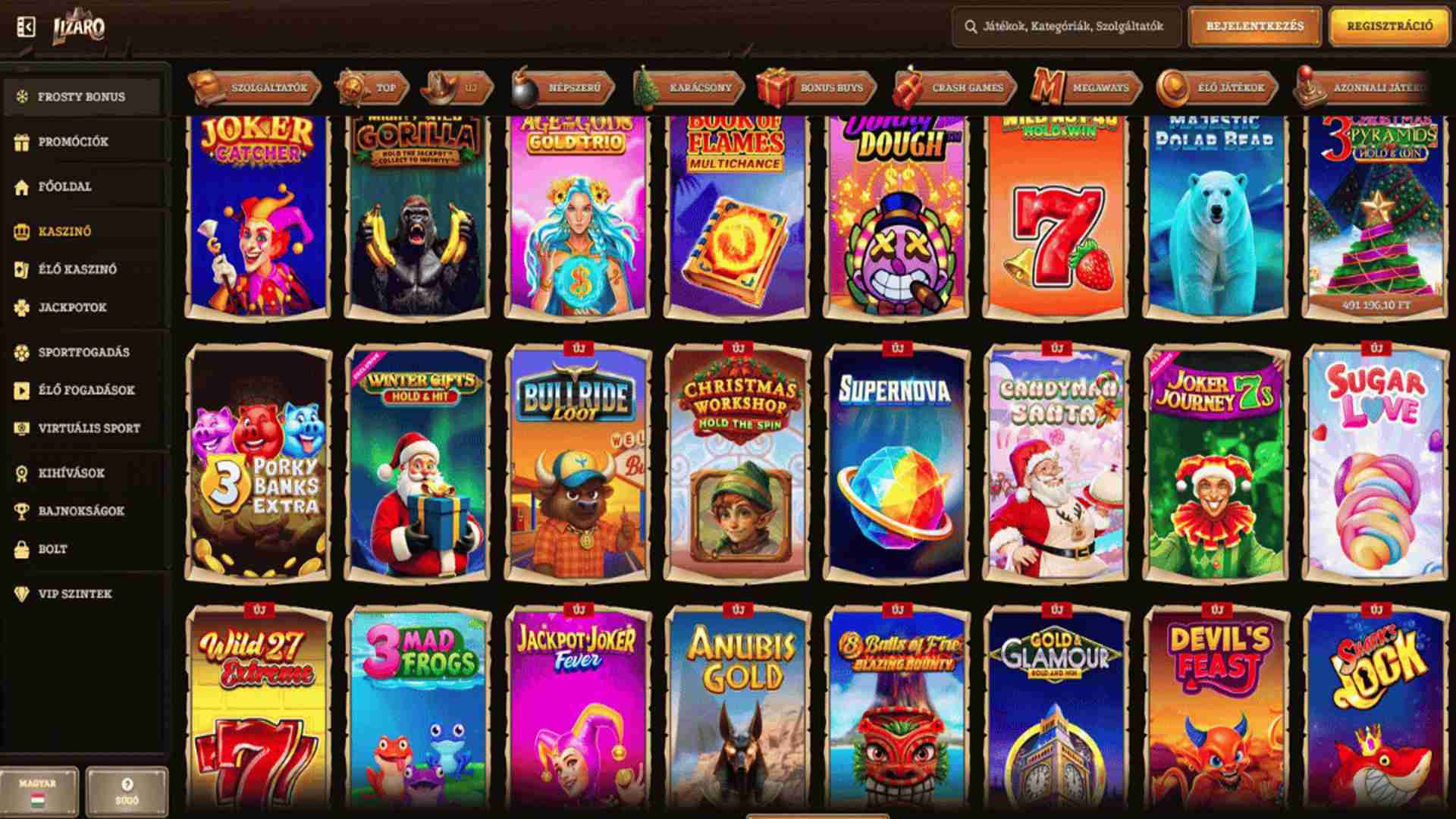
The sports wagering industry is undergoing a period of profound transformation as digital innovation redefines the boundaries between technology and entertainment. Operators are moving beyond simple interfaces to create complex ecosystems that prioritize user safety, real-time engagement, and data-driven decision-making.
The Impact of Artificial Intelligence on User Experience
Artificial intelligence serves as the cornerstone of modern digital innovation within the betting sector. By analyzing vast amounts of historical data, AI algorithms can provide users with highly personalized market suggestions and risk management tools.
This level of personalization helps newcomers navigate complex odds while providing veterans with the deep analytics required for strategic play. Machine learning models also monitor platform health to detect unusual patterns that might indicate security vulnerabilities or fraudulent behavior.
Predictive modeling has become a standard feature, allowing fans to see potential match outcomes based on live variables such as player health and weather conditions. These insights transform the wagering experience from a game of chance into a more calculated and academic pursuit.
Blockchain Integration and Financial Transparency
Blockchain technology is revolutionizing how financial transactions are handled on digital platforms by providing an immutable ledger for every wager placed. This transparency ensures that payouts are guaranteed and that the house edge remains within regulated parameters.
Smart contracts allow for the automation of winnings distribution, significantly reducing the time users wait for their funds to appear in their digital wallets. This efficiency is a major draw for tech-savvy bettors who prioritize speed and reliability in their chosen m88 toto service provider.
Furthermore, decentralized technologies provide a layer of anonymity and security that traditional banking methods often struggle to match. By removing unnecessary intermediaries, platforms can offer better odds and more competitive bonus structures to their global audience.
Real Time Data and Immersive Match Engagement
Digital innovation has bridged the gap between watching a match and participating in its market dynamics through high-speed data ingestion. Low-latency streaming services now allow fans to react to events on the field within milliseconds of them occurring.
The integration of micro-betting markets allows users to engage with specific moments, such as the outcome of the next play or the next player to score. This granular level of interaction is made possible by sophisticated cloud computing infrastructures that process millions of data points simultaneously.
Interactive dashboards now feature augmented reality overlays that provide live stats and player positioning directly on the screen. This immersive approach ensures that the digital platform becomes the primary hub for both sports consumption and entertainment.
Future Trends in Betting Infrastructure
Looking ahead, the convergence of 5G connectivity and edge computing will likely make betting platforms even more responsive and accessible. These infrastructure improvements will support more complex simulations and virtual reality environments for sports fans worldwide.
Digital innovation also plays a critical role in fostering responsible gaming through automated self-exclusion tools and spending trackers. As the industry continues to evolve, the focus remains on using technology to create a sustainable and secure environment for all participants.
Collaborations between technology firms and traditional sports leagues are expected to yield even more creative ways to engage with fans. The digital era of sports wagering is just beginning, with innovation driving every new feature and security protocol.